At Östrabogymnasiet's transport training programme, students learn much more than how to drive a truck. With VBG Driver Assist integrated into their training, they also gain first-hand experience of how modern technology can provide support during demanding manoeuvres – without replacing the driver's own skills and judgement.
A shared passion for heavy vehicles
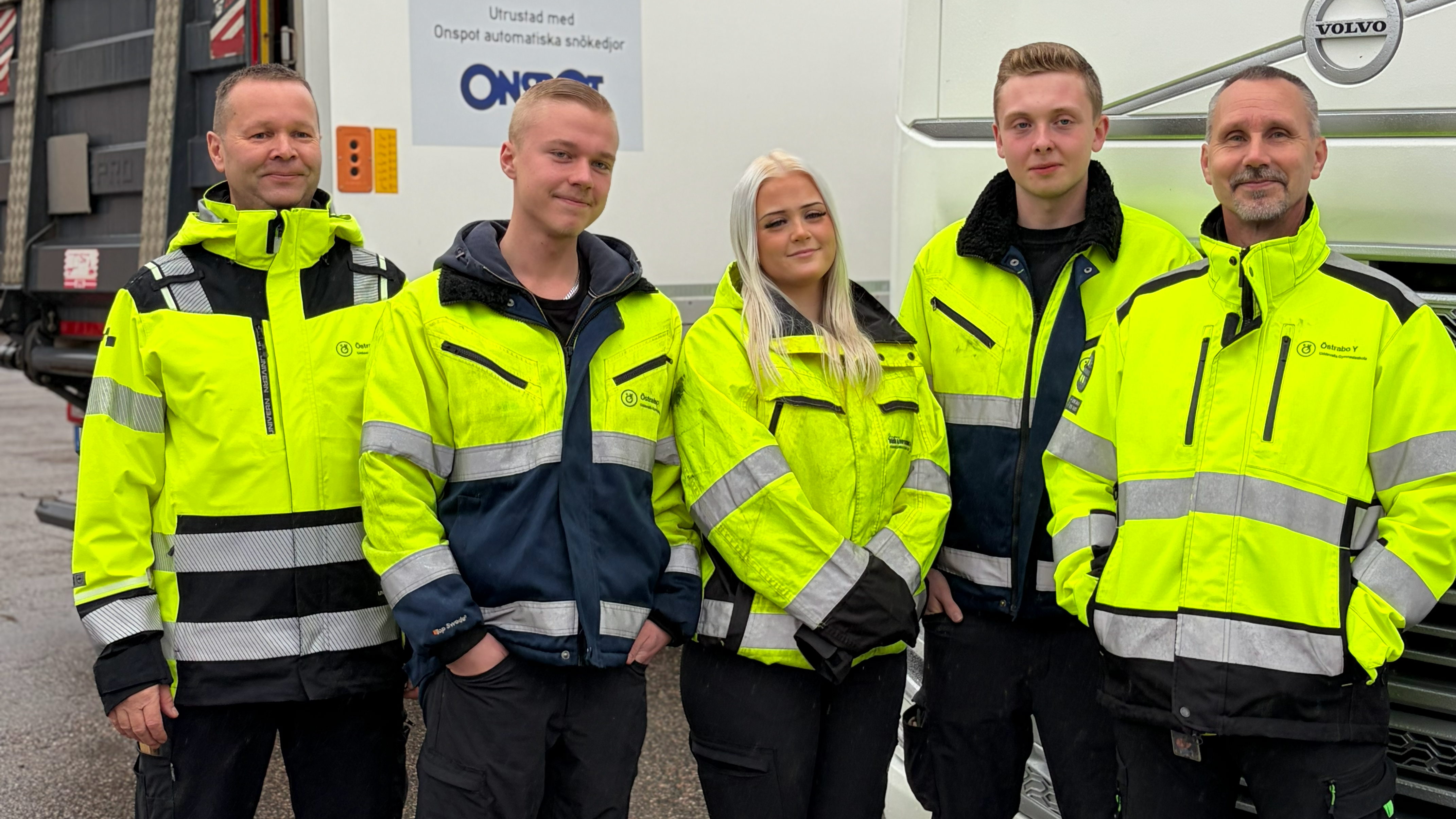
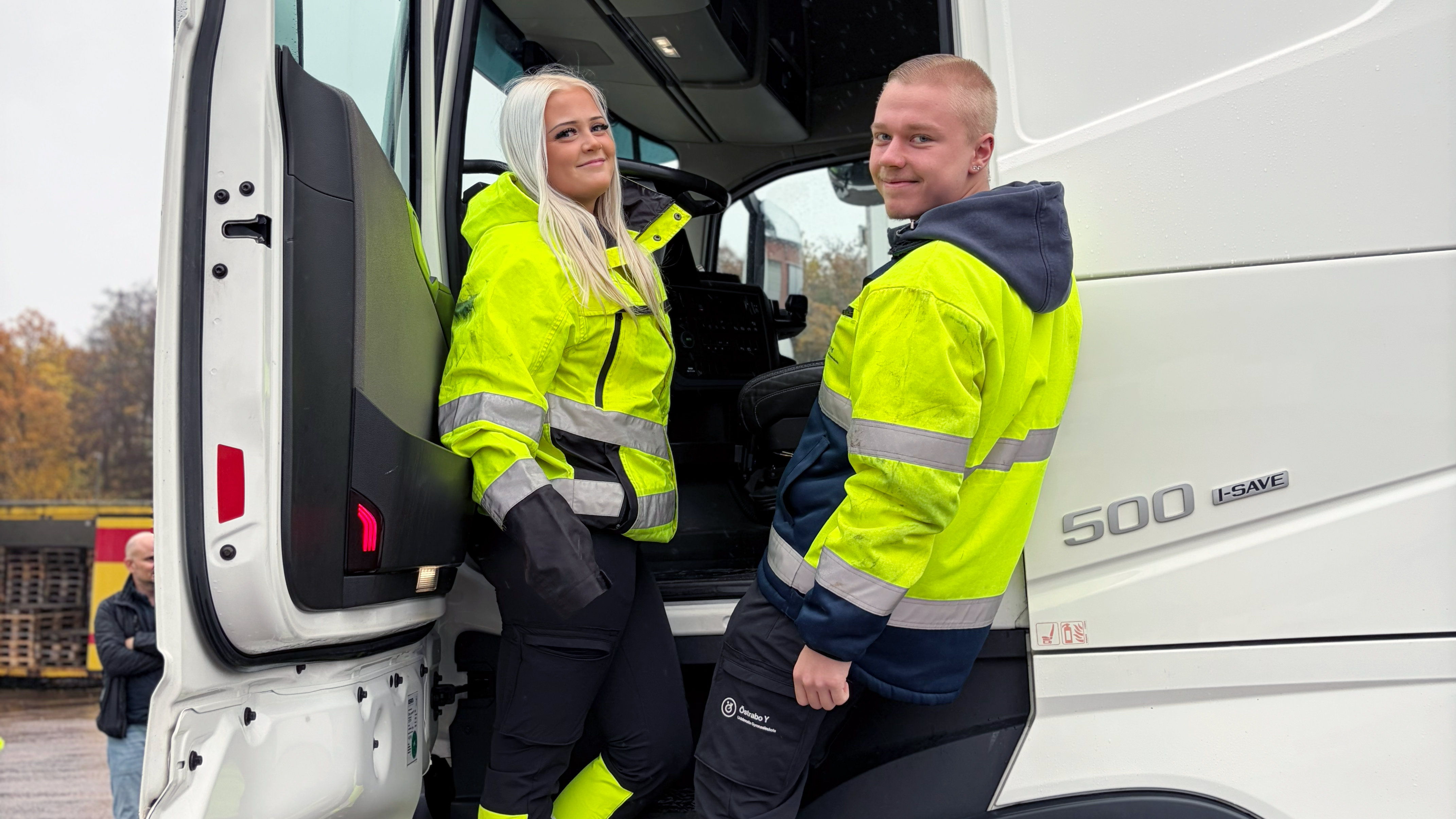
Filippa, Oskar and Arvid are in their third year of the transport training programme at Östrabogymnasiet, working towards becoming professional truck drivers. For Oskar, an interest in engines and machinery has been part of his life for as long as he can remember. Training to become a truck driver therefore felt like a natural choice. For Filippa, the decision was also about finding a programme that offers practical challenges and opportunities for personal development.
A sense of community is an important part of everyday life on the transport training programme. Students with similar interests come together, and many look forward to putting their knowledge into practice in their future careers. Oskar describes how his attitude towards school has changed since starting the programme. What once felt boring has become something he genuinely looks forward to. For the students, the training is therefore about more than simply learning a profession. It is also about finding motivation and taking pride in what they do.
From the first drive to becoming a more confident driver
Learning to drive a heavy truck involves many new challenges. Students must learn to handle large vehicles in traffic environments where space can sometimes be limited. They need to develop an awareness of the vehicle's size, learn to plan their manoeuvres and remain attentive to their surroundings. Reversing is one of the skills that requires particularly extensive practice.
Vocational instructors Björn and Jörgen work to gradually build the students' knowledge and confidence. Making mistakes is a natural part of the learning process, and students are given the opportunity to stop, reflect and try again. The goal is not simply for students to obtain their driving licences. They should develop into independent professional drivers who can make well-considered decisions in real-world traffic situations.
Driver Assist provides extra confidence when reversing
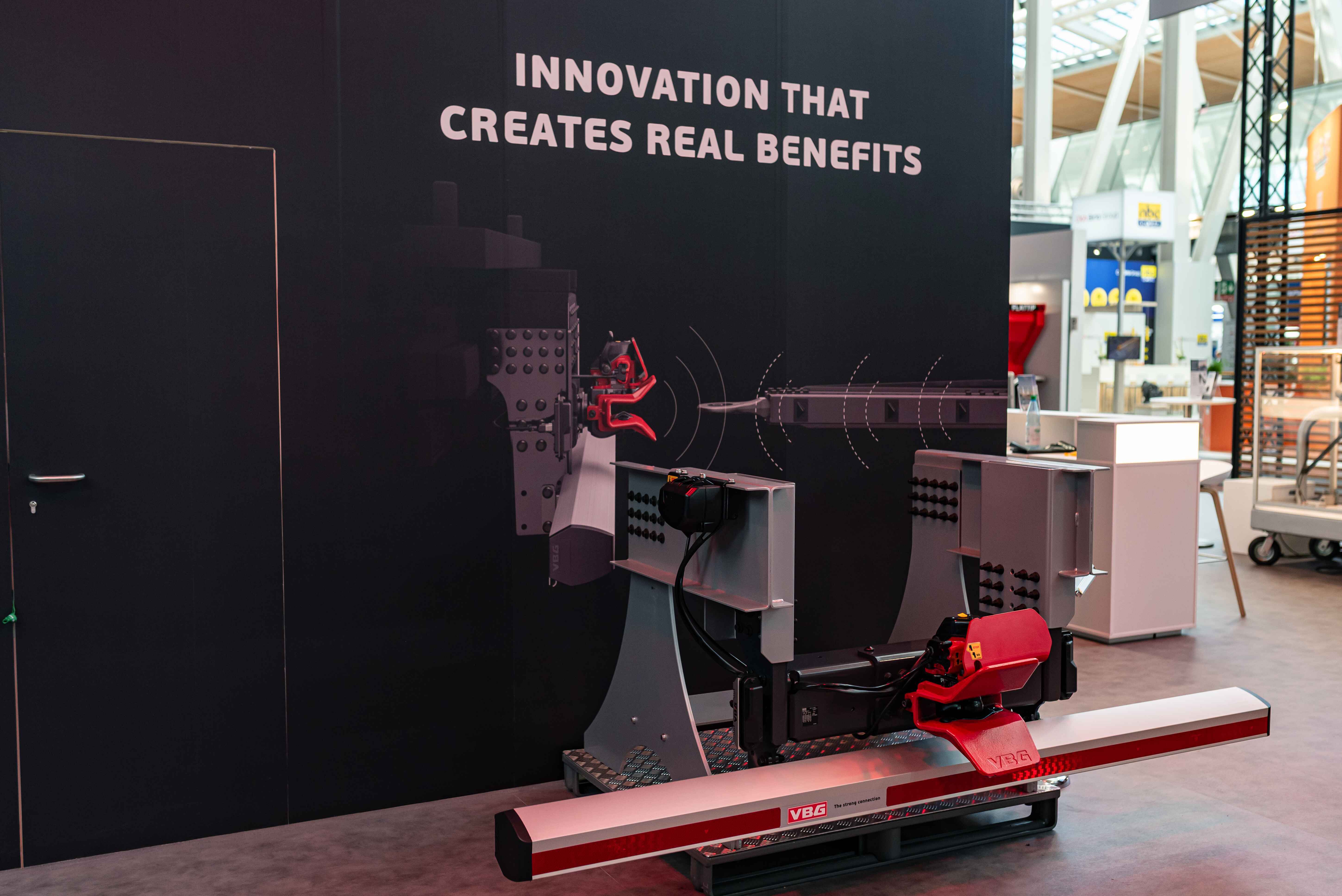
Part of the training involves introducing students to modern driver assistance systems. With VBG Driver Assist, students have the opportunity to experience how technology can provide support when reversing and performing other precision-demanding manoeuvres. This also helps reduce the risk of damage to the vehicle combination and its equipment. Oskar explains that the system provides an additional sense of reassurance. When you are still learning to judge distances and understand how the vehicle moves, having access to additional information during a manoeuvre can be particularly valuable.
For an inexperienced driver, this added reassurance can help build the confidence needed to tackle situations that initially seem difficult. However, technology does not replace the need to remain alert. Filippa emphasises the importance of continuing to use the mirrors and personally checking the surroundings. Even with technical assistance systems in place, the driver must understand what is happening around the vehicle.
This approach closely reflects the school's philosophy of education: technology should help students develop their skills, not do the work for them.
Technology and driving skills must work together
The transport industry is evolving, and today's trucks are equipped with an increasing number of technical systems designed to support drivers. For students, this means their training must provide both traditional driving skills and an understanding of modern technology. Oskar welcomes these developments but also highlights the importance of not becoming overly dependent on the systems. A skilled professional driver must still be able to assess traffic situations, understand the vehicle's characteristics and make independent decisions.
For Björn and Jörgen, teaching is about giving students a solid foundation while also providing experience with technical assistance systems they may encounter in their future working environment. In this way, Driver Assist becomes a practical example of how technology can be integrated into training without taking responsibility away from the driver.
The most rewarding part is watching students grow
For Björn and Jörgen, an important part of being an instructor is watching students develop from uncertain beginners into increasingly independent drivers. At first, much of their attention may be focused simply on handling the vehicle. But as they gain experience, students begin to plan further ahead, read traffic situations and act more independently. This is when the instructors can see that the students are truly beginning to master their skills.
When a student can independently assess a situation, adapt their driving and carry out a manoeuvre calmly and with control, it marks an important step forward in their training. Technical assistance systems such as Driver Assist can provide support along the way, but the students' development remains the central focus.
Preparing for the future of the transport industry
Filippa, Oskar, Arvid and their classmates are preparing to enter an industry where technology and professional driving skills will go hand in hand. By gaining experience with modern driver assistance systems during their training, they develop a better understanding of how technology can be used in practice – and why it must always be combined with the driver's own judgement.
At Östrabogymnasiet, the goal is clear: to train confident, independent and responsible professional drivers. With the right knowledge, practical experience and technology to support them, students gain a strong foundation for meeting the demands of the transport industry of tomorrow.
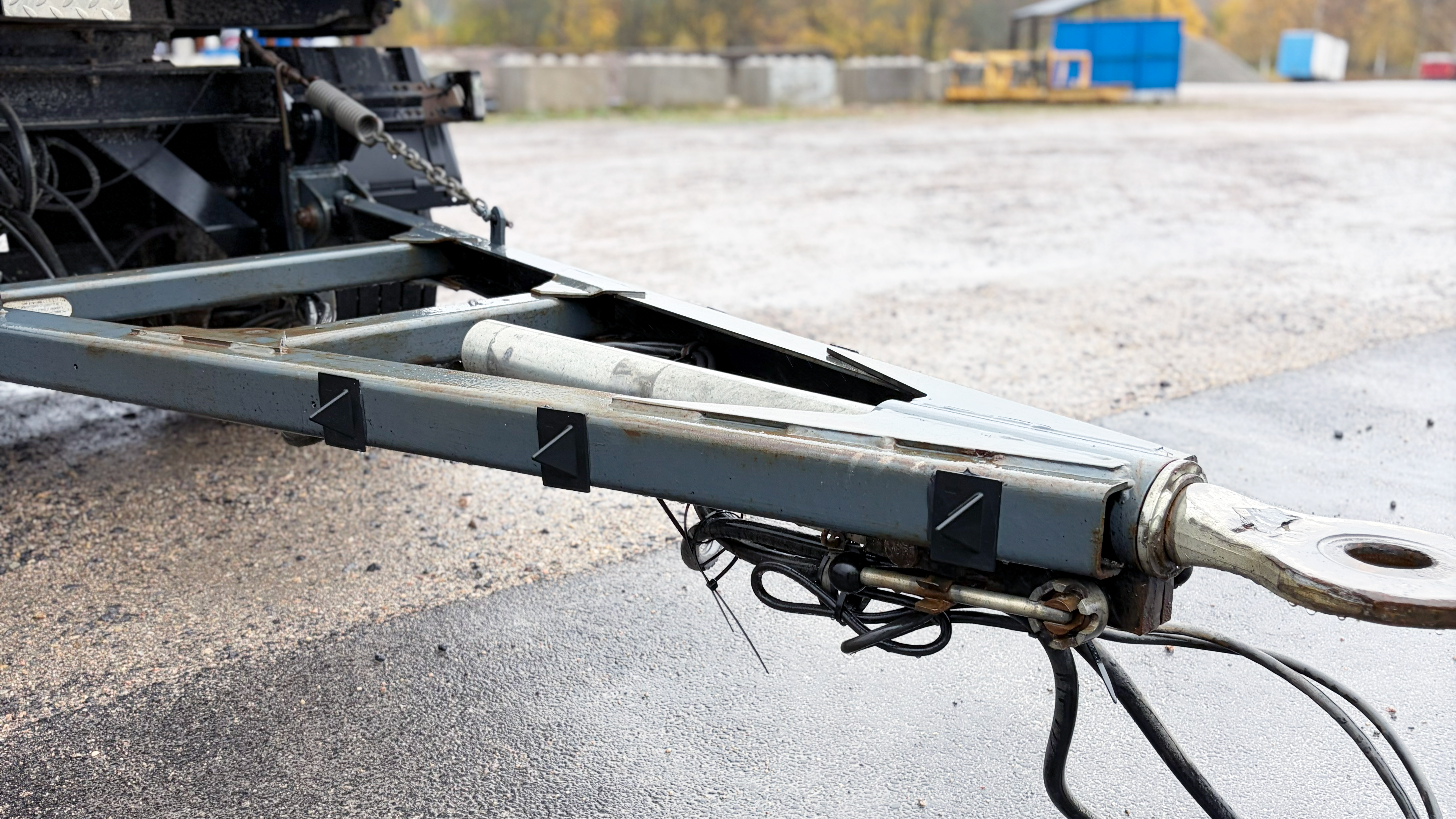
VBG Driver Assist
Want to learn more about how VBG Driver Assist supports drivers?