VBG Strengthens Capacity with New Testing Facility
VBG continues to invest in the future. With a new test rig designed for extra-long test specimens, the company is taking a major step forward in terms of capacity, flexibility, and the ability to develop and validate products in-house.
The background to this investment is clear: new product segments are growing, requirements are increasing, and the need for advanced testing is becoming ever greater.
Building for the future
The investment is not only about size, but also about increased capacity and the ability to conduct more tests.
“We conducted a feasibility study that showed both testing volumes and testing requirements are increasing. This investment is about meeting future needs,” says Martin Blom, Project Manager for the initiative.
The new facility enables both dynamic and static testing. Dynamic testing involves exposing components to movement and loads in multiple directions, while static testing applies fixed forces—for example, to verify the strength of underrun protection systems.
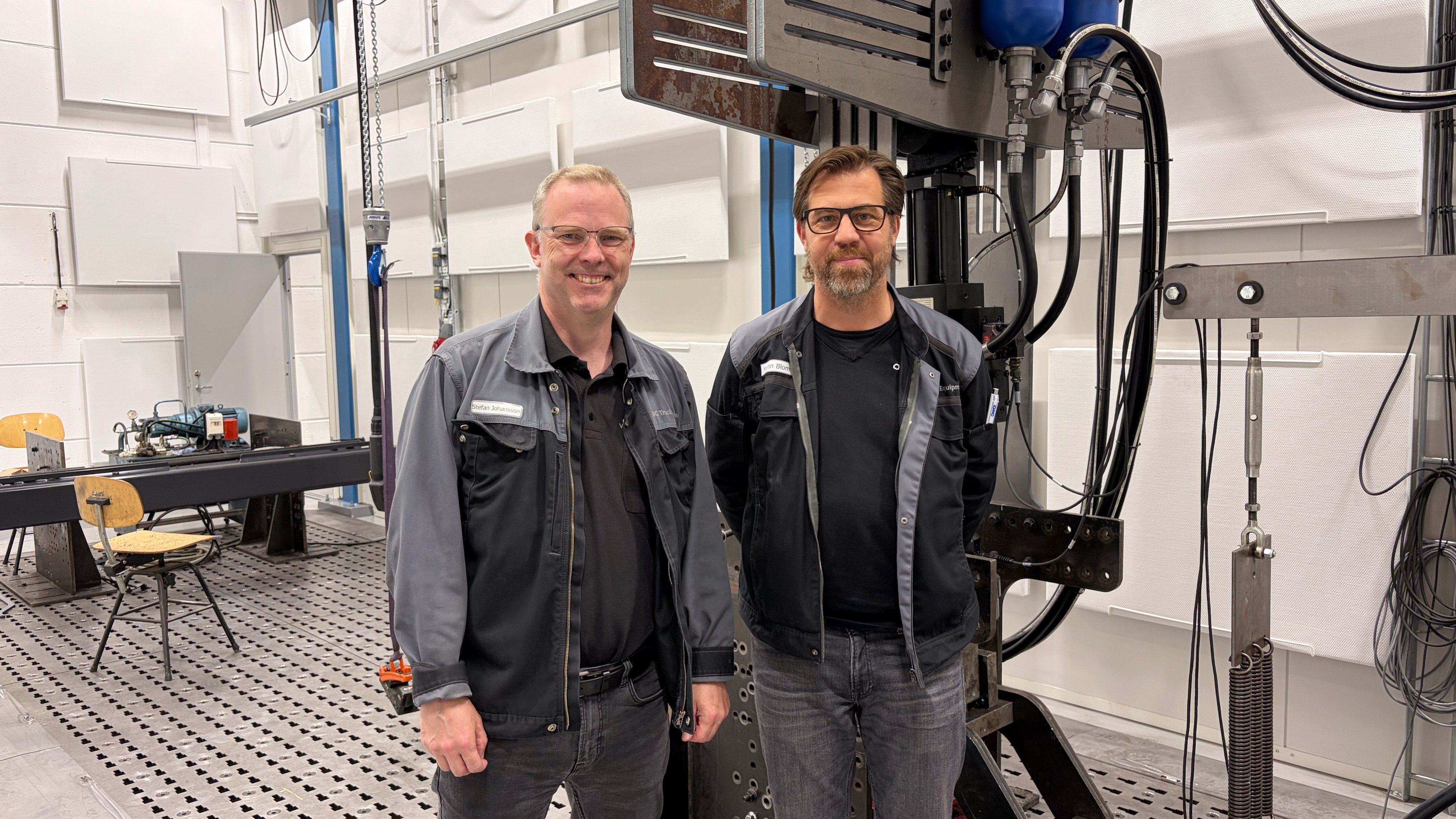
Stefan Johansson and Martin Blom
more testing - and more realistic testing
With the new facility, VBG can now test products that were previously too large for its existing test rigs.
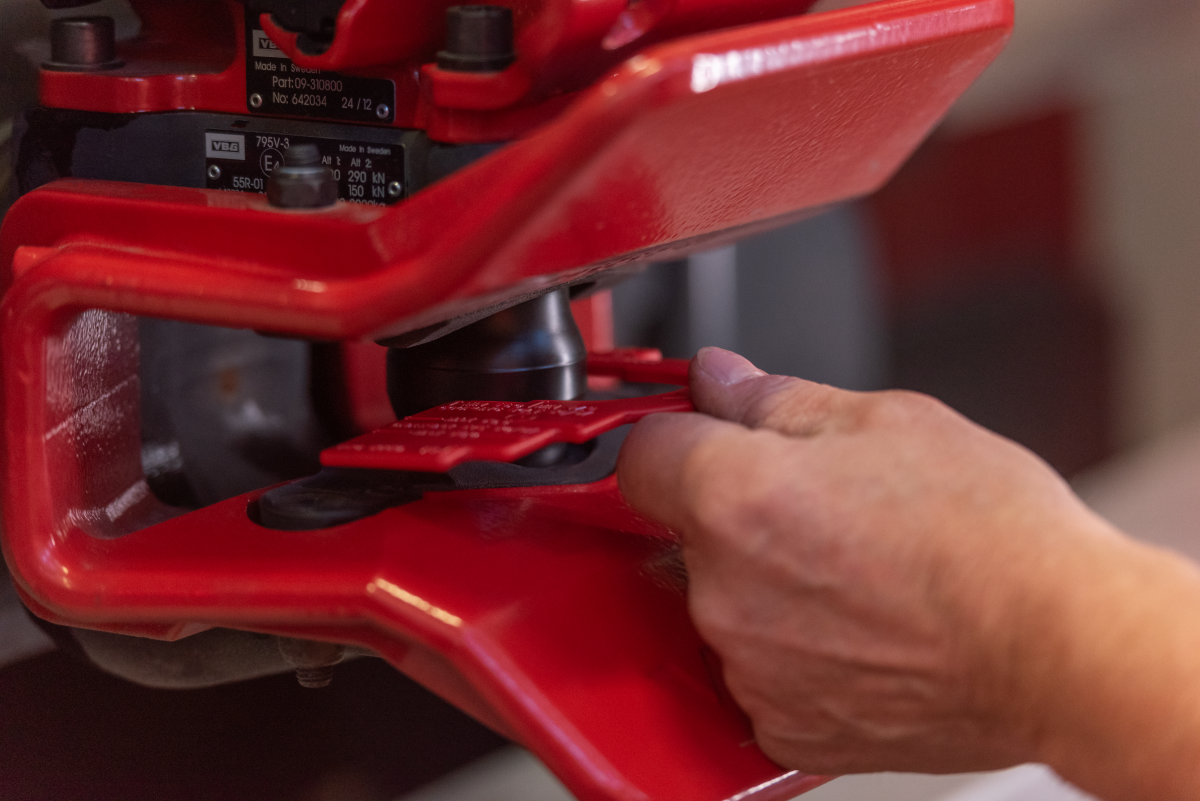
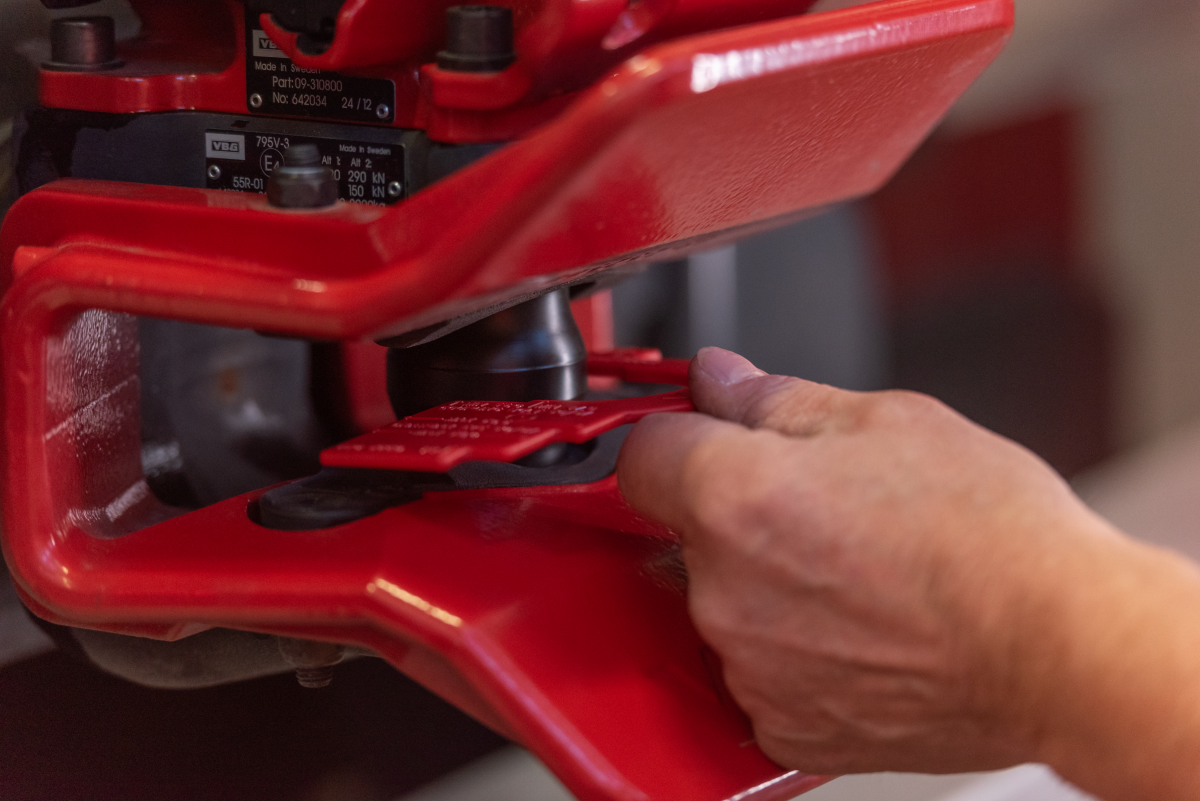
“We can now test significantly larger specimens in our own facility, which greatly benefits VBG’s product development team. Dynamic tests take a long time, so being able to manage them internally is a major advantage. During a service-life test in accordance with ECE R55—the regulation governing coupling equipment—test specimens are subjected to two million load cycles,” says Stefan Johansson, Head of Testing.
Physical testing is essential for ensuring that products can perform reliably over time under real-world conditions. It strengthens product quality and deepens knowledge about the products delivered to customers.
-1.jpg?width=4031&height=3023&name=Image%20(9)-1.jpg)
Greater control brings clearer customer benefits
One of the greatest advantages of the new testing facility is that more testing can now be performed in-house.
“It strengthens our entire workflow and improves our competitiveness,” says Martin.
“In the past, we sometimes had to outsource certain tests. Now we can perform them ourselves, saving both time and money.”
For customers, this means greater confidence.
“We develop products that must meet strict requirements and certifications. Being able to conduct more testing in our own facilities gives us better control over the entire process. This is particularly important because product development often requires several iterations,” says Stefan.
In addition, the risk of delays is reduced. Transporting test specimens between different testing facilities can be both time-consuming and costly—especially when modifications are required along the way.
“Now we can start a test, make adjustments, and continue immediately. It gives us a completely different level of flexibility,” says Martin.
Ready for the next step
The project has been carried out through close collaboration between several functions, including testing, production engineering, facilities management, and external suppliers. The facility has been designed with the future in mind, and preparations for further capacity increases are already in place.
“We have secured the necessary infrastructure, including power supply, networking, and oil supply systems, so that we can run additional machines simultaneously in the future. This allows us to scale up as demand grows,” says Martin.
A boost for the entire operation
In addition to increased technical capacity, the investment also improves operational flow. New areas for handling test specimens make the process more structured and efficient.
“We have now created a layout where products can be received, tested, and processed further in a completely different way,” says Martin.
For Stefan, the significance of the investment is clear:
“We had outgrown our old facilities. This is a major step toward adapting to the breadth of products we have today and will continue to develop in the future.”
.jpg?width=3023&height=4031&name=Image%20(10).jpg)
Proud of the result
Both Stefan and Martin highlight the collaboration and the outcome as something to be proud of.
“It has been a very enjoyable project. We have worked cross-functionally and gained a better understanding of each other’s work,” says Martin.
They also want to recognize the team behind the project.
“Our test operators have been incredibly important. They have managed day-to-day operations while supporting the project every step of the way,” says Martin.
With its new testing facility, VBG is well prepared for the future—with increased capacity, an improved working environment, and stronger control over the entire product development chain.